WordPress Performance
Which WordPress Autoloaded Options Are Safe to Disable?
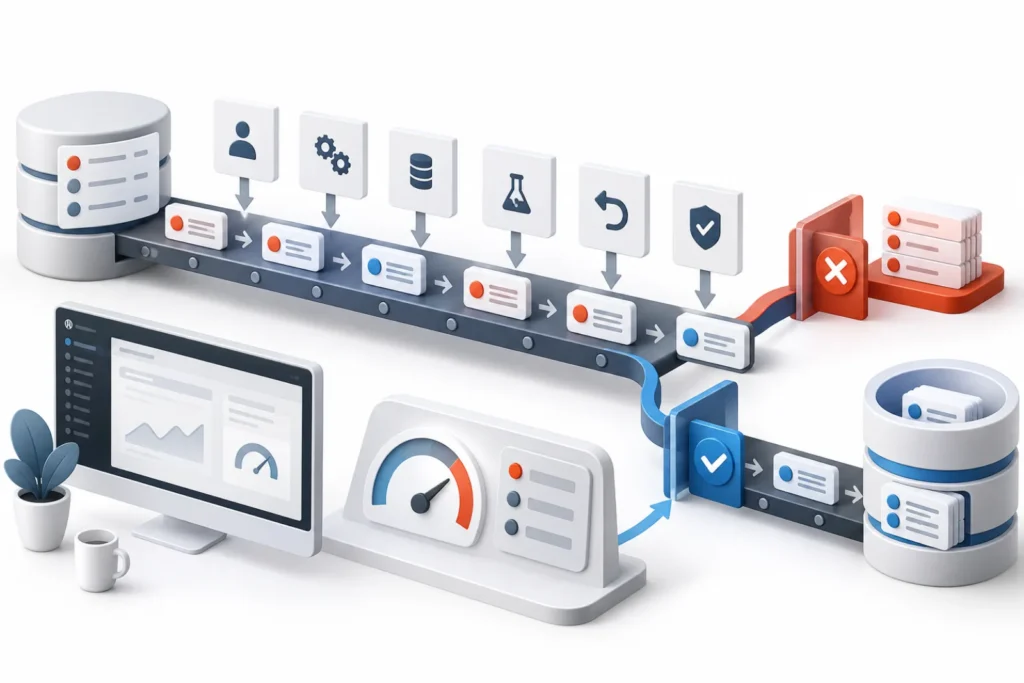
A risk-based process for moving valid but rarely used options out of the always-loaded path without deleting configuration.
Read article


Practical guides on plugin architecture, AI, WooCommerce, performance, security, and maintainable WordPress delivery.
15 articles
A risk-based process for moving valid but rarely used options out of the always-loaded path without deleting configuration.
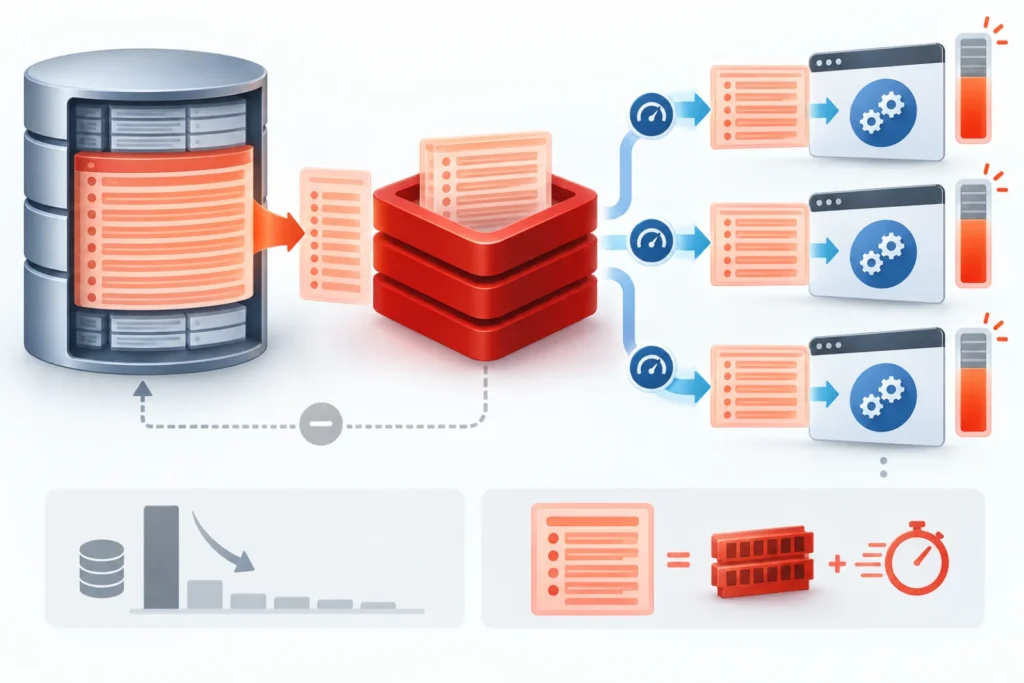
Read articleRedis can remove repeated database work while leaving payload, deserialization and PHP-memory costs. This guide shows how to measure both layers.
Read articleA timestamp-driven workflow for finding the requests and background processes that consume WordPress CPU outside normal analytics.
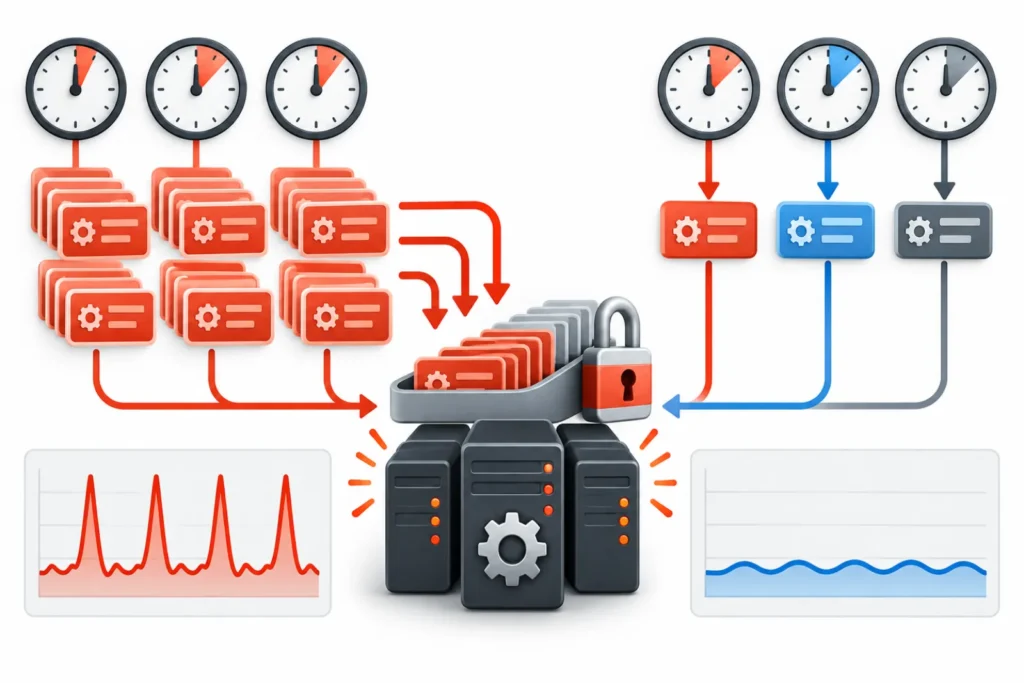
Read articleA practical guide to separating duplicate registration, runtime overlap, backlog and retry storms in WordPress scheduled work.
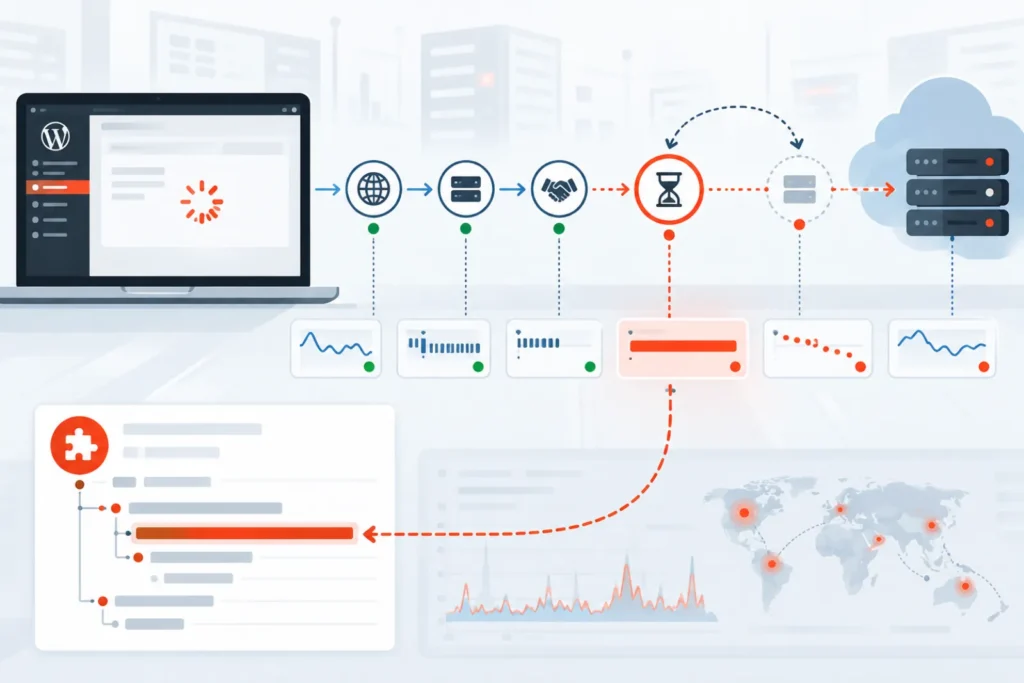
Read articleAn evidence-first workflow for identifying blocking WordPress HTTP calls without breaking updates, payments or integrations.
Read articleA capacity workflow for separating worker queues from slow application code and choosing fixes without exhausting memory or the database.
Read articleAn end-to-end diagnostic workflow for finding whether Elementor Update delay belongs to browser serialization, security, PHP, database, remote hooks or caches.
Read articleA browser-side performance workflow for separating main-thread freezes and memory growth from WordPress server delays in complex Elementor editing sessions.
Read articleA measurement-led Heartbeat workflow that fixes expensive callbacks and editor concurrency while protecting autosave, locks, authentication and reconnect behavior.
Read articleBrowse every WPStack tutorial by topic, from plugin architecture and security to performance, media, accessibility, and operations.
View all WordPress guides