Plugin Guides
How to Choose a WordPress Plugin Development Company
Evaluate a WordPress plugin development company using discovery quality, architecture, security, testing, ownership, maintenance, and evidence.
Read article


Practical guides on plugin architecture, AI, WooCommerce, performance, security, and maintainable WordPress delivery.
51 articles
Evaluate a WordPress plugin development company using discovery quality, architecture, security, testing, ownership, maintenance, and evidence.
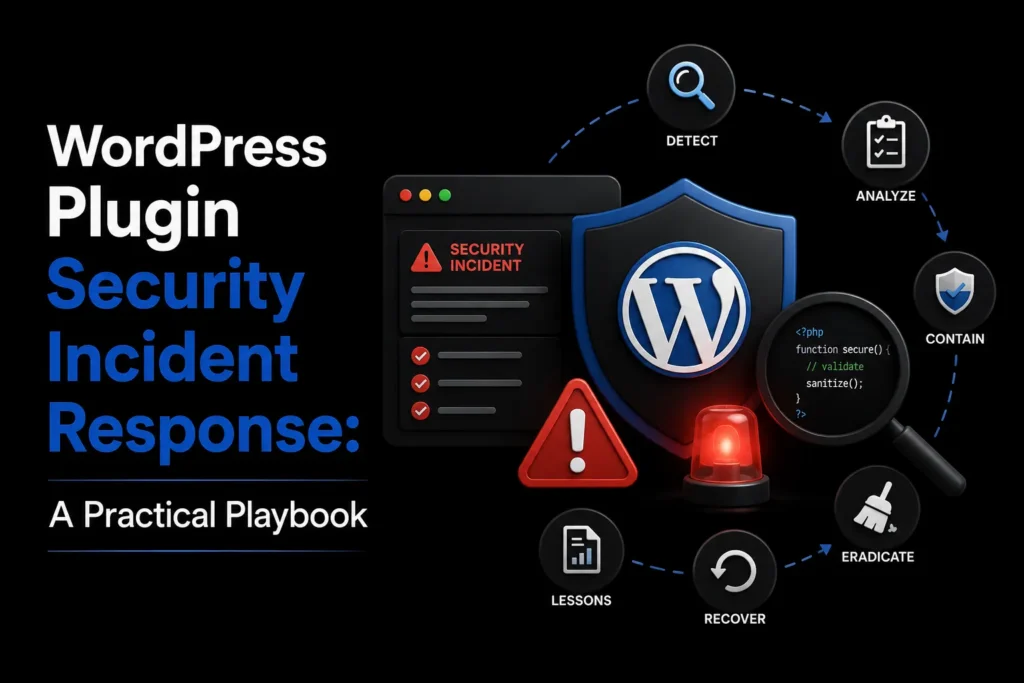
Read articleUse this WordPress plugin security incident response playbook to triage reports, contain risk, patch safely, communicate clearly, and learn afterward.
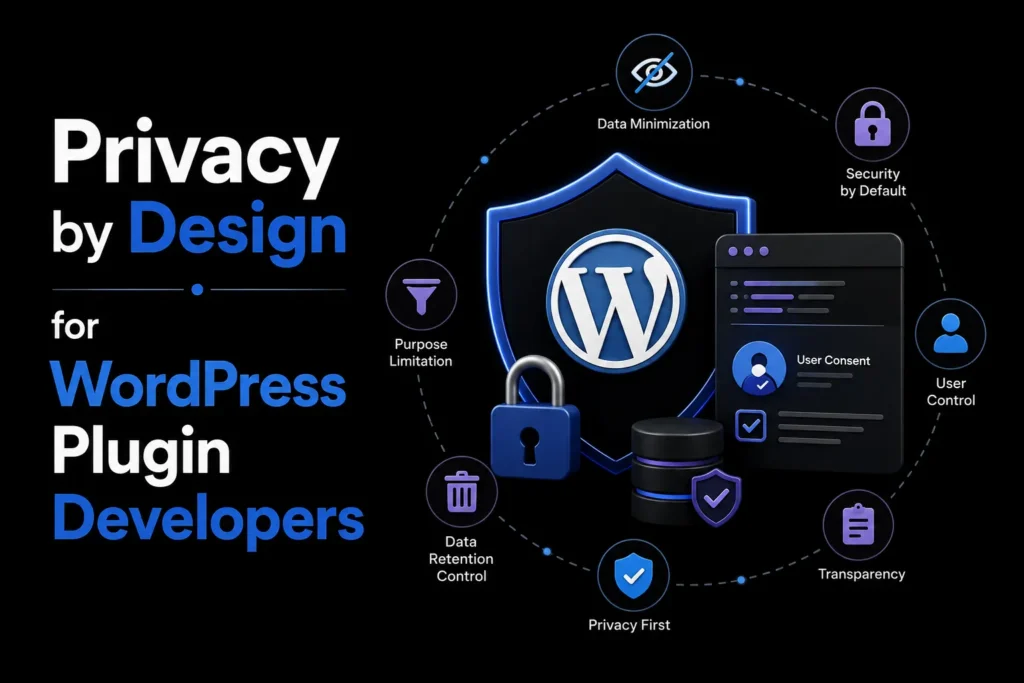
Read articleApply privacy by design to WordPress plugins through data mapping, minimization, consent-aware flows, retention, exports, erasure, and documentation.
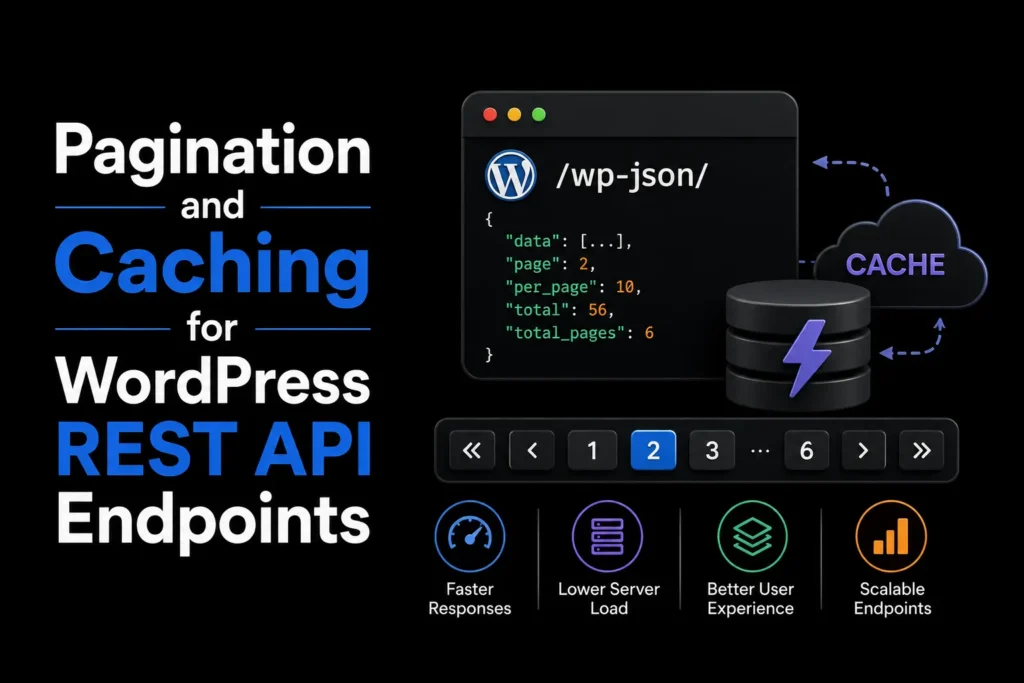
Read articleDesign faster WordPress REST API endpoints with bounded pagination, stable ordering, cache keys, invalidation, conditional requests, and measurable limits.
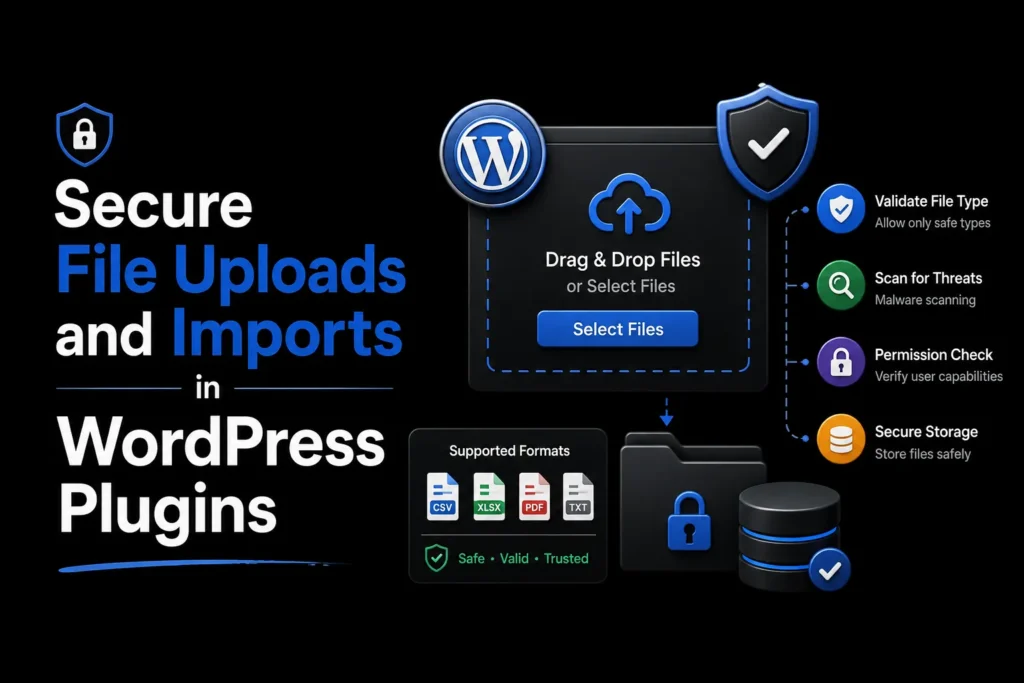
Read articleBuild secure WordPress plugin uploads and imports with capability checks, nonces, file validation, safe storage, bounded parsing, and clear cleanup.
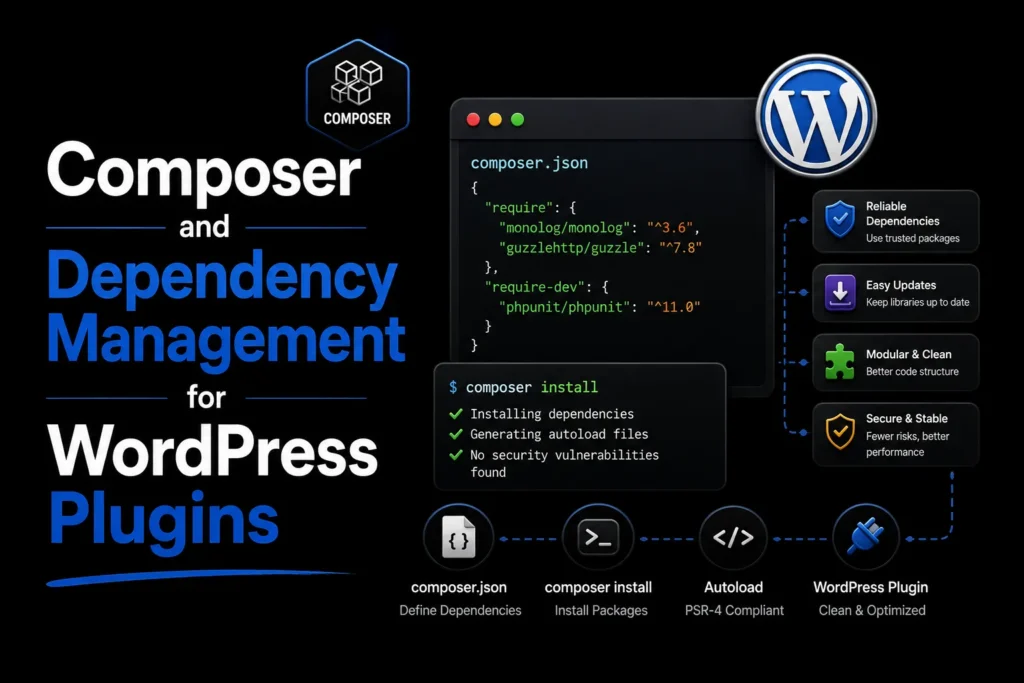
Read articleUse Composer safely in WordPress plugins with scoped dependencies, optimized autoloading, reproducible builds, licensing checks, and conflict prevention.
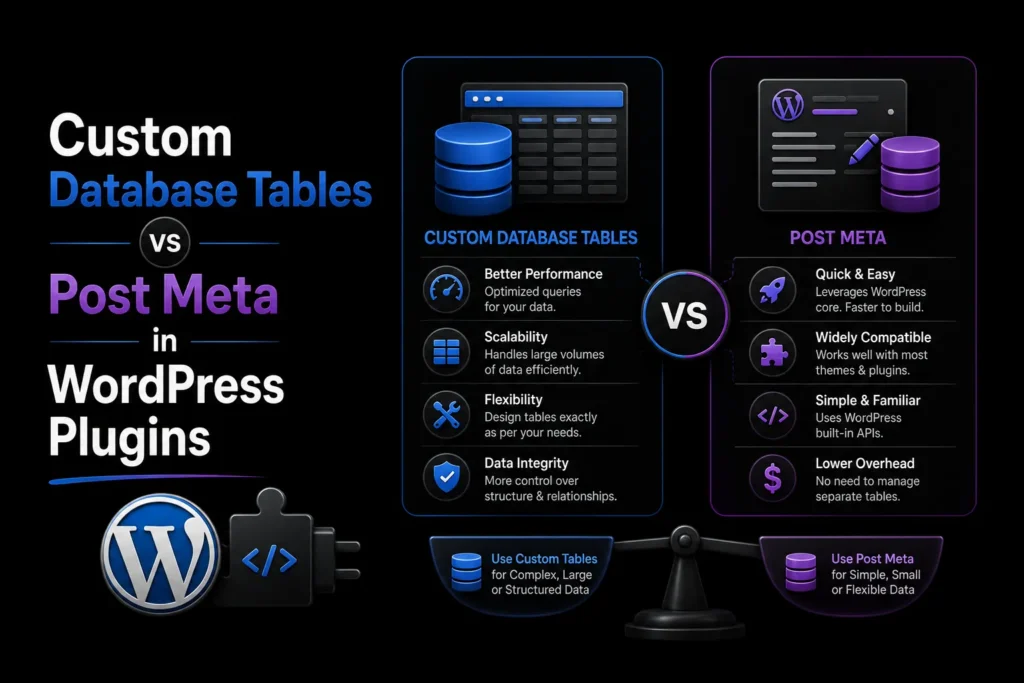
Read articleCompare custom database tables and post meta for WordPress plugins using query patterns, scale, lifecycle, migration, and maintenance trade-offs.
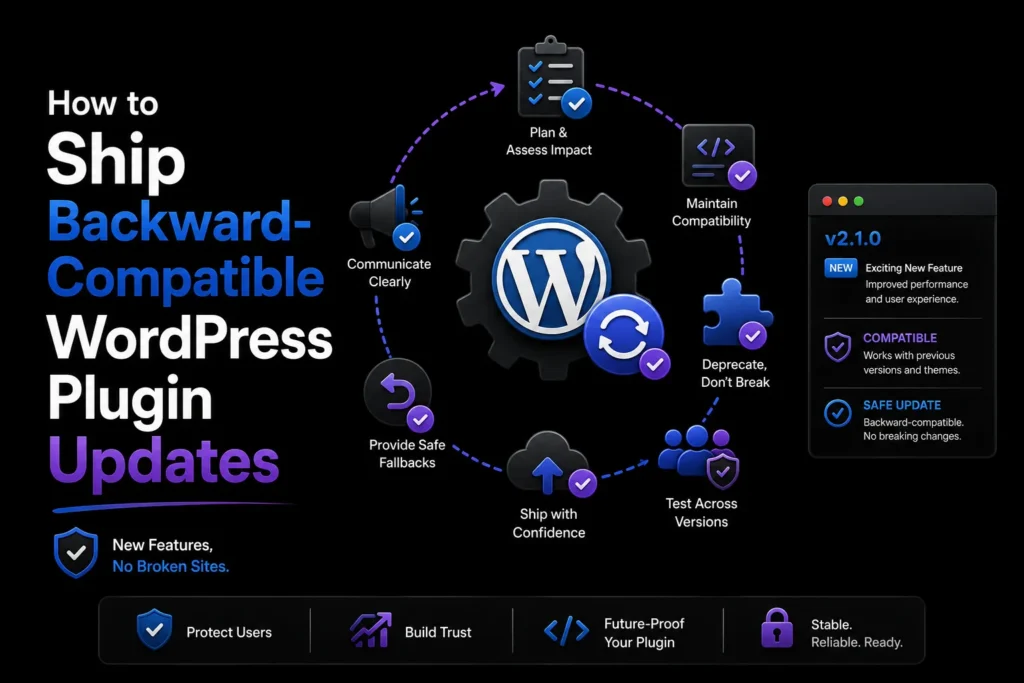
Read articleLearn how to release backward-compatible WordPress plugin updates with staged migrations, deprecation paths, rollback planning, and safer testing.
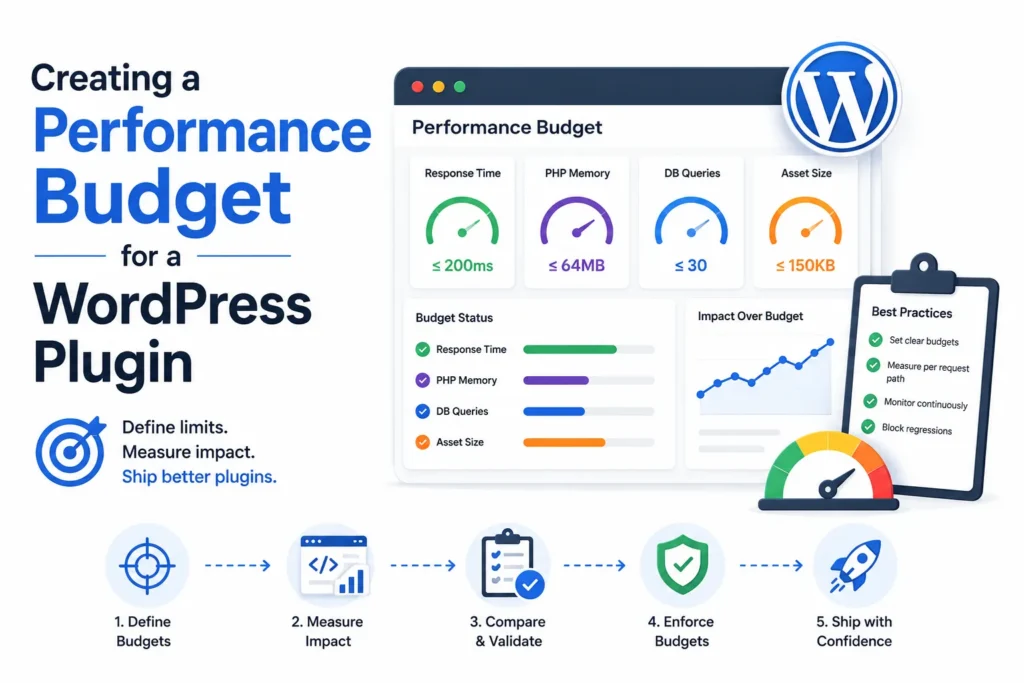
Read articleCreate a WordPress plugin performance budget for load time, queries, memory, assets, background work, and regressions with repeatable measurements.
Read articleBrowse every WPStack tutorial by topic, from plugin architecture and security to performance, media, accessibility, and operations.
View all WordPress guides